
The Po Delta oyster: a hidden treasure
Listen to this article
10 minutes listening • The history of Po Delta oysters
Loading audio…
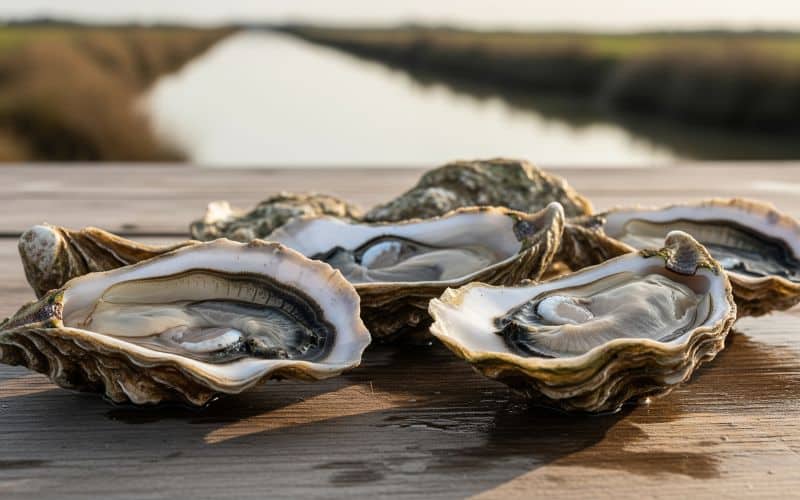
Right where the Great River meets the Adriatic sea, in the delicate balance between fresh and salt water, the Po Delta oyster is born. A local product, meaty and with a clear taste, born from the unique meeting of river and sea water.
A great product born from intuition and innovation
Unlike other great local foods, like the famous Cozza di Scardovari PDO mussel , the oyster does not have a long history here. Farming only started in the early 2000s. A few local aquaculture pioneers realised the special conditions of the Sacca degli Scardovari could be perfect for this shellfish.
"It was a bet," local farmers say. "We knew our waters were special for mussels, but nobody had ever tried oysters. The first tests were surprising: they grew fast and tasted great, different from any other oyster."
What started as a test became a top production in just a few years. Several farms now grow different types of oysters, winning over the national and international market.
The secret is in the water: a unique environment
What makes the Po Delta oyster so special is where it grows. The Sacca degli Scardovari and the other Delta lagoons have unique features:
- Two worlds meeting: the fresh waters of the Po mix with the salty Adriatic. This creates a changing salt level that gives the oysters a clear sweetness and more minerals
- A moving ecosystem: the tides, quite strong in the northern Adriatic, create a constant water change. This guarantees natural oxygen and cleaning
- Ideal temperatures: the mild climate allows a longer growing season and great meat development
The Delta oyster varieties: a diverse heritage
You might think there is only one "Delta oyster", but there are several types. Each has specific features and new farming techniques that show the best of Italian aquaculture.
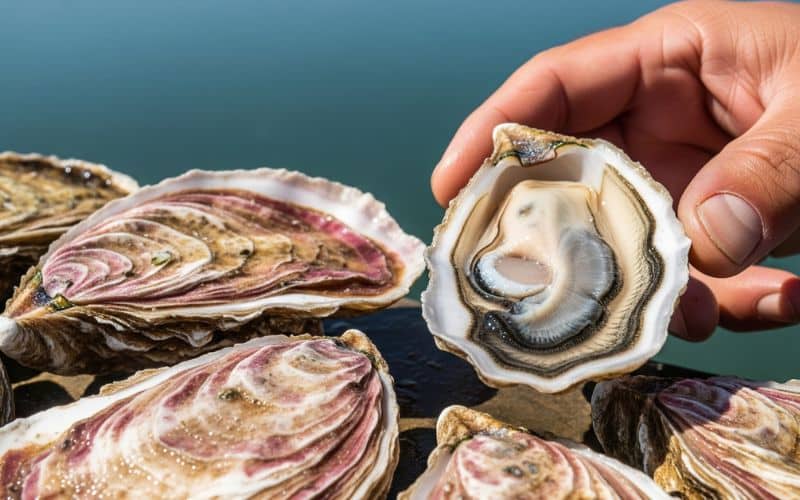
The Pink Delta Oyster - The Pearl of Scardovari
The pink oyster gets its name from the shell's reflections, caused by the minerals in the Sacca waters and the sun. This type was developed by pioneer Alessio Greguoldo together with the Frenchman Florent Tarbouriech. It uses the patented Tarbouriech method that simulates Atlantic tides.
Key features of the Pearl of the Delta:
- Long shape with rough edges and pink stripes on the shell
- Full meat with sweet notes and a balanced iodine finish
- Crunchy but not stringy texture
- Faster ripening time: 18 months instead of the European 3-4 years
- Post-harvest survival up to 30 days
Ostra Bora - New generation innovation
One of the most innovative projects is "Ostra Bora" by young entrepreneur Nicola Baroni (28 years old). He chose the New Zealand system instead of the French method. This technique completely protects the oysters from blue crab attacks using new plastic cages.
"I chose the New Zealand system to grow oysters. It completely protects them from blue crab attacks," Nicola Baroni explains. The name "Ostra Bora" mixes "ostrica" (oyster) and "Bora", the strongest wind in the area. It stands for the strength and innovation of this project.
Goro oysters: tradition and testing
More top products have grown in the Goro area:
The Mignon from Goro: small in size but huge in taste. This oyster for experts offers delicate and balanced flavours. Its iodine and slightly sweet notes are perfect if you want a special taste.
The Golden Oyster: developed by Edoardo Turolla from the Delta Institute. It is an absolute rarity produced only in Goro by the Sant'Antonio di Gorino and Rosa dei Venti cooperatives. There are no other farms for this golden species in Europe. It is an Italian exclusive in a market where 99% of eaten oysters come from abroad.
Tasting at the first restaurant on TripAdvisor in the province of Rovigo
At Ponte Molo restaurant, we celebrate Delta oysters in all their types. From the classic raw tasting to our new risotto with Pink Oyster and Gin Caleri , every dish brings out the uniqueness of this local treasure.

Tech innovation serving tradition
What makes Delta oysters really special is not just the environment, but also the tech used in farming. There are two main systems:
The Tarbouriech Method
Developed by the French visionary Florent Tarbouriech and perfected in the Delta waters by Alessio Greguoldo. This system uses solar and wind power to simulate Atlantic tides. The oysters are attached to ropes that let farmers dose water and air precisely, switching between time underwater and time in the air and sun.
The result is an oyster with an incredible, full taste, high nutritional value, and a quality that competes with the best oysters in the world.
The New Zealand System
Used by Ostra Bora, this method protects the oysters in special cages. It works really well against the blue crab. As Nicola Baroni explains: "This way, the oysters are completely safe from blue crab attacks, as the crabs cannot reach them."
A product that wins over great chefs
Po Delta oysters have won over the most demanding palates. Starred chefs like Massimo Bottura , Max Alajmo , Enrico Bartolini and Moreno Cedroni use them in their dishes. They recognise their top quality and unique taste.
The price of these oysters, around 6 euro each , reflects their top quality: they are not just good, they also have a lot of meat. Their meat weighs as much as three standard oysters, making them great value for money.
How to best taste Delta oysters
Po Delta oysters are great both raw and cooked. But each type has its own features you should know to enjoy them fully.
Raw tasting: the traditional method
To fully enjoy the unique taste of Delta oysters, eating them raw is still the best way:
- Right opening: open the oyster without breaking the shell, pouring out the first water
- Minimal dressing: a few drops of lemon or a teaspoon of red wine vinegar and shallot sauce
- Tasting technique: press it on the roof of your mouth with your tongue to release all the flavour, then chew slowly
- Pairings: brut sparkling wines or local mineral white wines
Cooked dishes: chef creativity
Delta chefs have created new dishes that bring out the features of local oysters:
- Ostriche in saor: a typical recipe enriched with the water left in the shells and a splash of Prosecco
- Pink Oyster Risotto: with PGI Delta Rice and Gin Caleri, a dish that brings together three great local products
- Baked au gratin: with breadcrumbs, garlic, parsley and a light touch of pepper
Discover Delta Oysters on our Menu
At the first restaurant on TripAdvisor in the province of Rovigo, you can taste Po Delta oysters in many different ways: from the classic raw tasting to our new cooked dishes. Discover all our kitchen's ideas!
Seasonality and availability
Unlike mussels which have a short season, Delta oysters are triploid (sterile). You can eat them all year round and they always taste great. This makes them very appealing for top restaurants.
Where to buy and how to spot quality
Po Delta oysters are available:
- Directly from the producers: Consorzio Pescatori di Scardovari
- Online: on the producers' websites with refrigerated shipping
- Specialised restaurants: those that look for quality ingredients
- At Ponte Molo restaurant : where you can taste them in the best recipes
A bright future for Italian oyster farming
The Po Delta oyster is much more than just food. It shows how innovation and respect for the land can create unique products. In a market where 99% of oysters eaten in Italy come from abroad, Delta productions are writing a new page in Italian aquaculture.
Thanks to the work of pioneers like Alessio Greguoldo and the new generation represented by Nicola Baroni , the Po Delta is becoming one of the most promising oyster production areas in Europe. It mixes tradition, innovation and environmental sustainability.
At Ponte Molo restaurant and hotel , we celebrate this local product with recipes that respect its true nature and bring out its uniqueness. We help make this hidden treasure of the Po Delta known to the world. Discover our selection and come taste the future of Italian oyster farming!
Keep exploring Delta flavours
The Cozza di Scardovari PDO mussel: the black gold of the Po Delta
Discover the history of the only Italian protected designation of origin mussel and its strong bond with the Delta waters.
Read more
Pink flamingos in the Po Delta
A complete guide to admire these beautiful birds in their natural habitat among the Delta valleys and lagoons.
Read more
5 unmissable cycling routes in the Po Delta
Discover the Delta by bike with our routes through nature, traditions and true local flavours.
Read more